Materials & Types
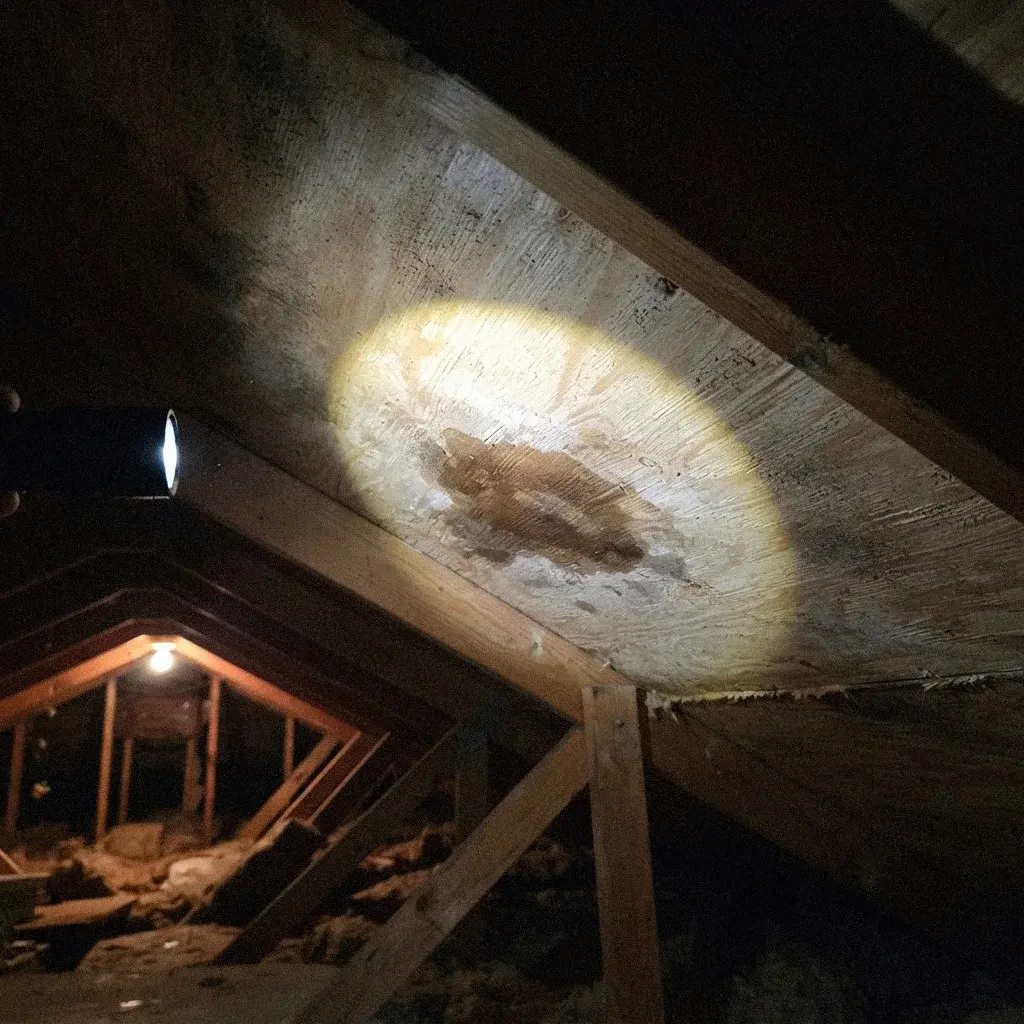
Why Bellevue Roofs Age Before Their Time
Bellevue roofs rarely fail from one storm. They wear out from months of damp shade, clogged valleys, and weak flashing details that never get a real chance to dry between rains.
Read article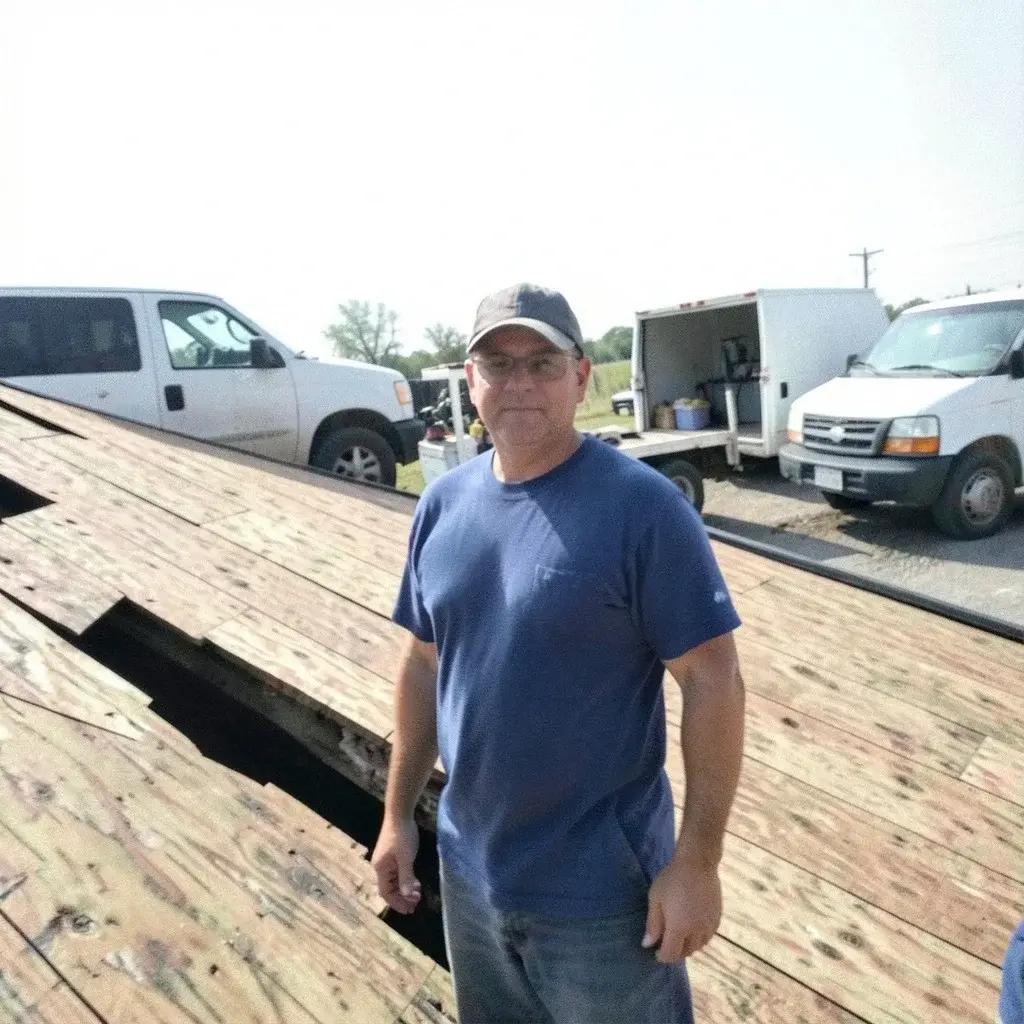
These guides exist because most roof decisions in Bellevue get made without enough information, then get lived with for twenty years. Moss creeping across a north slope in Bridle Trails, a cedar shake roof in Somerset that needs converting, a flashing failure near Meydenbauer Bay after a wet November - each has a right answer, and it depends on details specific to this city, not a national checklist.
The guides are written for homeowners deciding whether a problem is urgent or can wait for the dry-season window, and for anyone comparing bids from the licensed pros we connect you with and wanting to know what questions actually matter. Someone near Lake Hills weighing a reroof reads differently than someone in Wilburton chasing a single leak, and both are covered here.
None of this is written to sell a service on the page itself. It is written so that by the time you call, you already know why moss matters more than it looks like, what a roof recover in Bellevue does and doesn't require from the city, and which of your own roof's symptoms are ordinary wear and which ones are the ones worth acting on now.
Bellevue roofs rarely fail from one storm. They wear out from months of damp shade, clogged valleys, and weak flashing details that never get a real chance to dry between rains.
Read article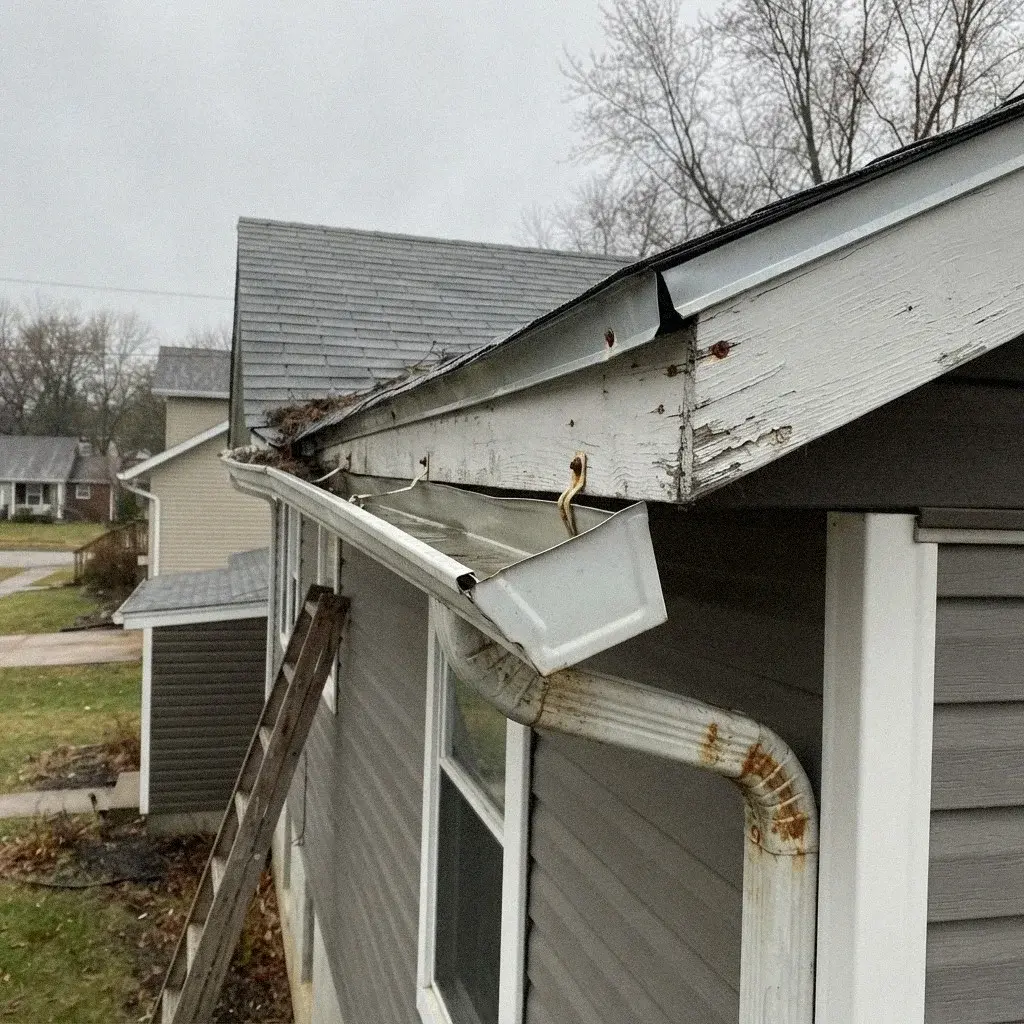
Before the long wet season settles over Bellevue, a roof benefits from a short walkaround done in the right order. This piece lays out what to clear, what to check, and when to book it.
Read article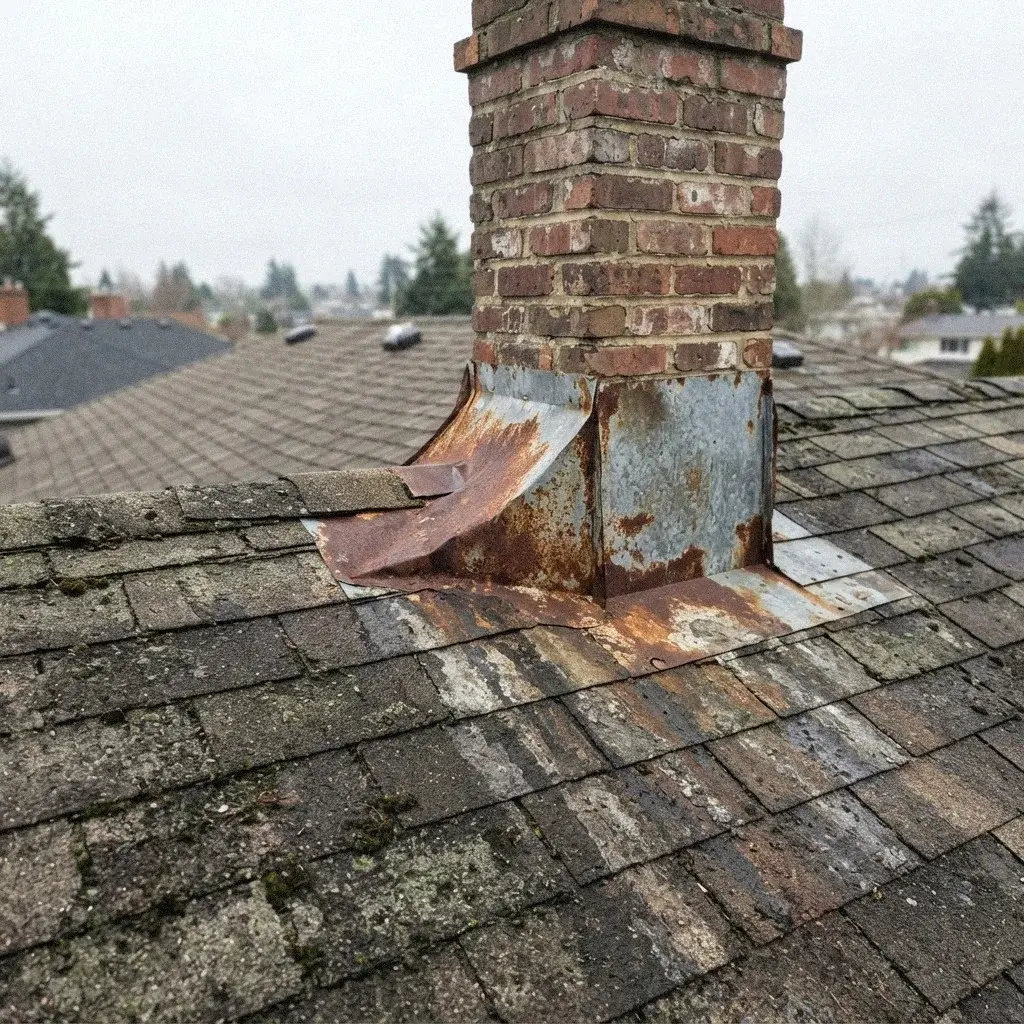
Most Bellevue roof leaks trace back to a short list of weak points rather than the shingles themselves. This is a ranked look at where water actually gets in, from valleys and pipe boots to sidewall flashing and exposed fasteners.
Read articleThey are written for Bellevue conditions specifically, not generic roofing advice. The guides reference how moss builds up under conifer canopy in places like Bridle Trails and Somerset, how the wet season from October through January drives flashing and valley failures, and how the city's roof recover and reroof permit rules actually work. If a guide reads like it could apply to Phoenix or Denver, that is not what this site is aiming for.
These guides get revisited a few times a year, not on a fixed schedule, mainly when something in Bellevue's own conditions changes — a wet season that ran longer than usual, or a permit rule the city clarified. They are written specifically for moss, shade, and rot patterns seen in neighborhoods like Bridle Trails and Somerset, not generic national advice. If a guide reads stale next to current weather, treat the service pages as the more current source.
It helps, especially before signing anything. The guides cover what a Bellevue homeowner runs into that the service pages don't spell out line by line, like why cedar shake conversions change attic ventilation needs, or why lien releases from subcontractors matter even after paying the general contractor in full. Reading first means you're asking sharper questions when the licensed pros we connect you with show up to look at the roof.
These posts work through the specific problems that show up on Bellevue roofs - moss under conifer shade, cedar shake conversions, gutters that cannot keep pace with the wet season. Reading them will tell you what to watch for and why it happens here rather than somewhere drier. When something you read sounds like your own roof, that is the moment to stop reading and get it looked at. The licensed pros we connect you with can confirm it in person.
Call (425) 380-0932